In short
- Ascend slowly over 2 to 3 days.
- Spend a night at the 3,207m refuge.
- Drink plenty of water and carry medication.
In this article
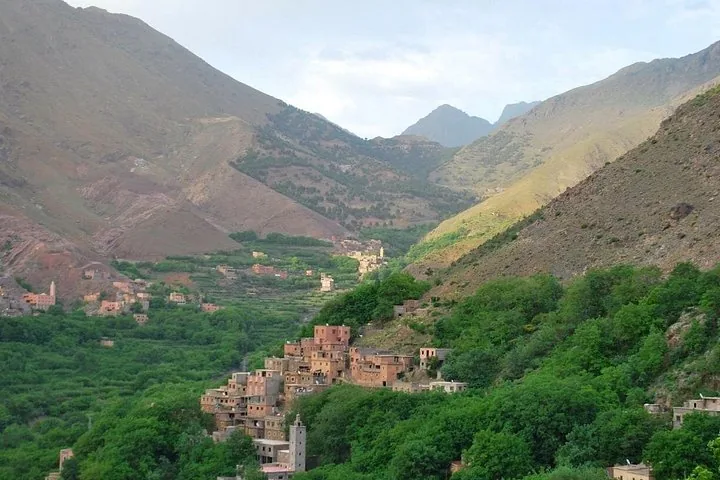
Climbing North Africa's highest peak requires preparation. The trailhead at Imlil starts at 1,740 meters, and the summit sits at 4,167 meters. Your body needs time to adjust to the thinner air. Rushing the ascent increases the chance of altitude sickness, which can force you to abandon your trek.
What causes altitude sickness on Mount Toubkal?
Altitude sickness occurs because air pressure drops at higher elevations, meaning you breathe less oxygen.
Symptoms like headaches, nausea, and dizziness often begin when hikers ascend too quickly from Imlil. Imlil sits at 1,740 meters. Your body simply needs time to produce more red blood cells to carry the limited oxygen.
Why is the refuge stay crucial?
Sleeping at the Refuge du Toubkal (3,207 meters) helps your body acclimatize before the summit push.
The standard ascent takes 2 to 3 days to allow for this overnight stop. By resting at 3,207 meters, you help your body adjust safely. Rushing to the 4,167-meter peak in one day severely limits acclimatization.
How does hydration help?
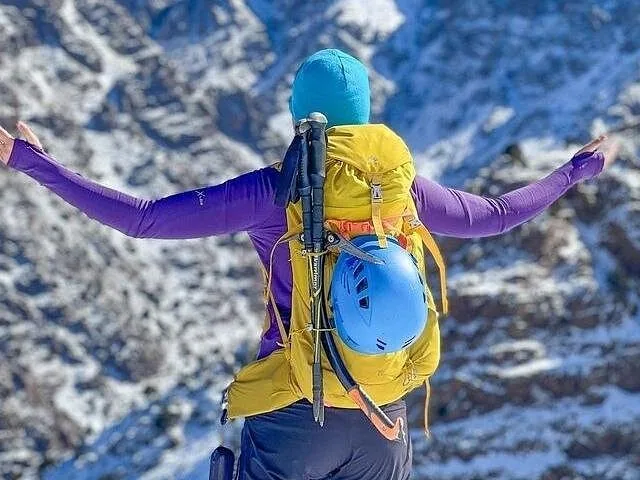
Hydration helps your body acclimatize and prevents severe fatigue on the trail.
Pack water purification tablets or a filtering water bottle. You can buy bottled water in Imlil, but prices increase higher up. Drinking enough water combats the dry mountain air and alleviates mild altitude headaches.
What are the key elevations on the Toubkal route?
You gain over 2,400 meters of elevation from the trailhead to the summit.
Pacing your climb between these points is the best way to avoid altitude sickness. Notice the large gap between the base camp and the mountain refuge.
| Location | Elevation (Meters) | Elevation (Feet) |
|---|---|---|
| Imlil Village | 1,740m | 5,708 ft |
| Refuge du Toubkal | 3,207m | 10,521 ft |
| Mount Toubkal Summit | 4,167m | 13,671 ft |
What medication should I pack?
Bring a first aid kit containing altitude sickness medication and ibuprofen.
Ibuprofen helps treat minor altitude headaches during your refuge stay. Consult your doctor before your trip for specific altitude sickness prescriptions. Remember that medication does not replace the need for a slow ascent.
Does a guide help with altitude sickness?
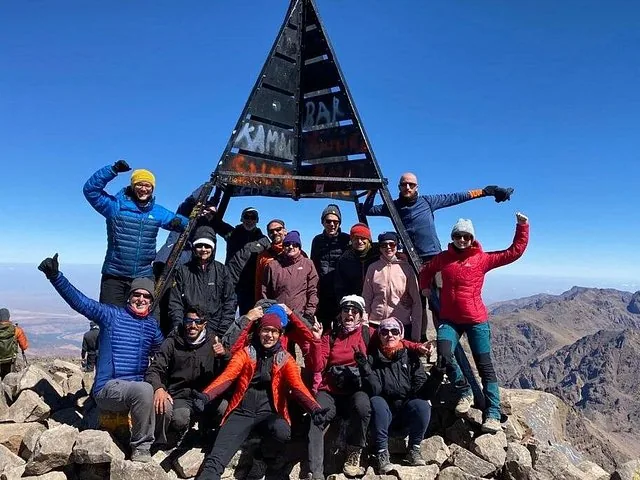
Yes, licensed local guides monitor trekkers for altitude symptoms and set a safe walking pace.
Hiring a licensed local guide is legally mandatory for the Toubkal summit zone. Your guide ensures you do not overexert yourself. If you show severe symptoms, your guide will instruct you to descend immediately.
Questions travellers ask
Can I climb Toubkal in one day?
While physically possible for elite athletes, a one-day climb skips crucial acclimatization at the 3,207-meter refuge. This makes altitude sickness highly likely.
Do you need oxygen for Toubkal?
No, supplemental oxygen is not required for Mount Toubkal. Proper acclimatization over 2 to 3 days is sufficient for the 4,167-meter altitude.
Where is the Toubkal Refuge located?
The main mountain basecamp, Refuge du Toubkal, is situated at 3,207 meters in the Mizane Valley. You sleep here before the final summit push.